
Guide Rail Warrant Analysis
Ontario has no regulatory guide rail warrant written specifically for municipal roads, so the decision to install, replace, or remove a barrier has to be defended on engineering grounds. We apply the risk warrant method of the MTO Roadside Design Manual: how often a vehicle is likely to reach the hazard, how severe the result would be, and whether a guide rail reduces that risk enough to justify its cost.
Serving municipalities across Ontario from St. Catharines.
What we deliver
- Area of concern identification and hazard severity rating
- Collision estimates based on traffic volume, design speed, hazard offset, and road curvature
- Life-cycle comparison of risk with and without a guide rail
- A cost benefit ratio for each location, ranked across the program
- Length-of-need calculations and system recommendations
- Sensitivity analysis where a decision needs to stand up to scrutiny
How the results are read
The analysis compares the life-cycle collision cost of leaving a hazard unshielded with the cost of shielding it. A guide rail is struck more often than the hazard behind it because it sits closer to the road, but usually at a lower cost per collision. The cost benefit ratio divides the resulting benefit by the cost of installing and maintaining the rail.
We read the ratio in three bands. Below 1.0, the estimated benefit does not exceed the cost. Between 1.0 and 1.5, the case is marginal and depends on context. Above 1.5, the analysis supports installation. A documented collision history or unusual site conditions can justify a guide rail where the ratio is low.
These are planning-level estimates for comparing and prioritizing locations within a program. They are not predictions of collisions at any one site.
When to commission one
- Before replacing guide rail that has reached the end of its life
- When a new roadside hazard or a road widening changes the clear zone
- To prioritize a list of candidate locations against a fixed budget
- When a resident, councillor, or insurer asks why a rail was or was not installed
Standards and references
- MTO Roadside Design Manual
- TAC Geometric Design Guide for Canadian Roads
- AASHTO and NCHRP roadside safety research
- AASHTO Manual for Assessing Safety Hardware (MASH)
Common questions
- Can a warrant analysis recommend removing guide rail?
- Yes. Where the hazard behind an existing rail is minor, the analysis can show that removal carries less overall risk and cost than replacement. The recommendation is documented so the road authority can defend the decision.
- Is there a guide rail warrant for municipal roads in Ontario?
- There is no regulatory warrant that applies specifically to municipal roads. We follow the established guidance of the MTO Roadside Design Manual and the roadside safety research it draws on, and document the inputs and assumptions for every location.
Related projects
All projects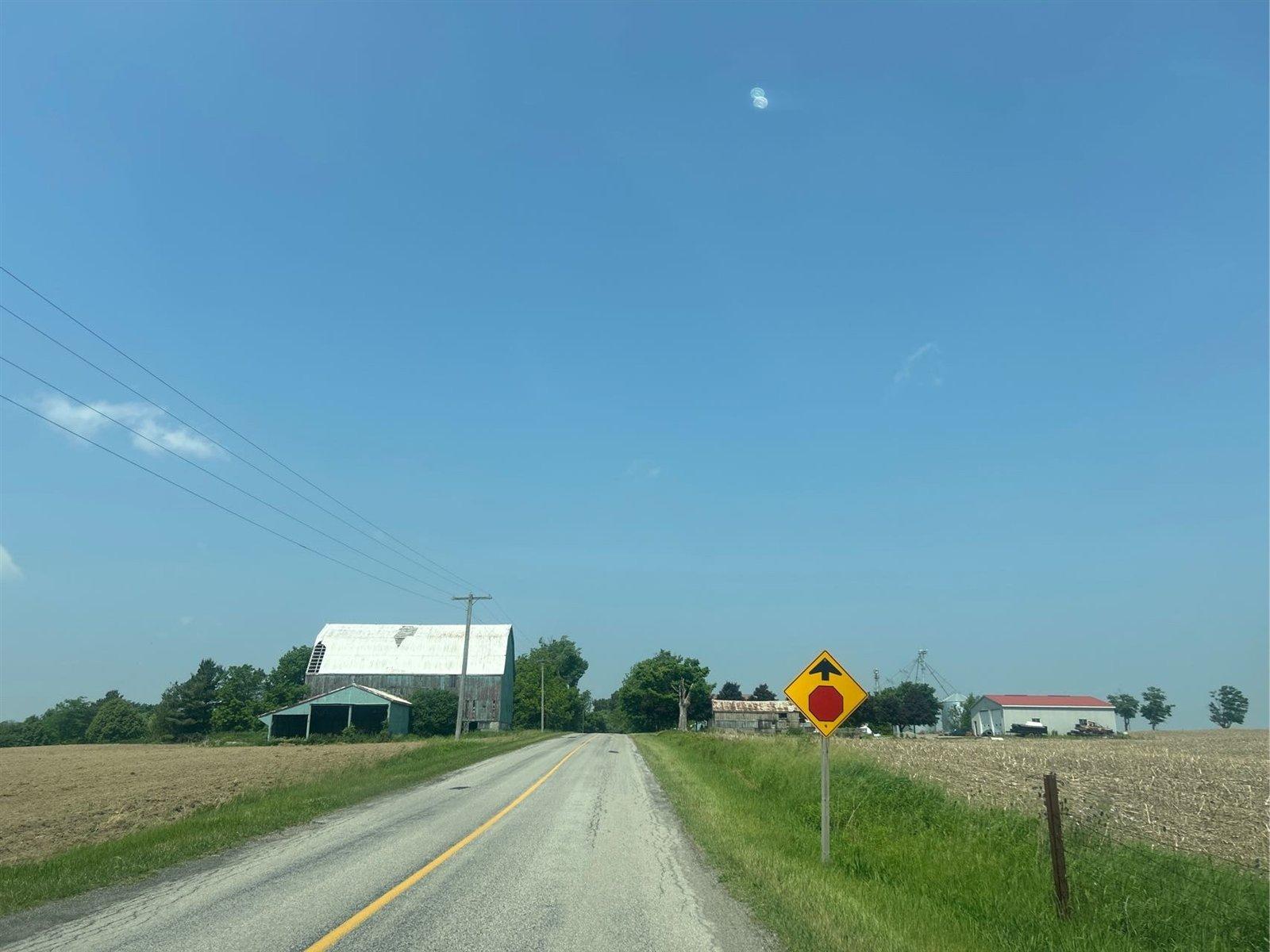
Haldimand County · April to October 2025
Haldimand County Roadside Safety Review
A comprehensive roadside safety review covering more than 1,200 km of County roads, delivered in partnership with Aspire Consulting.
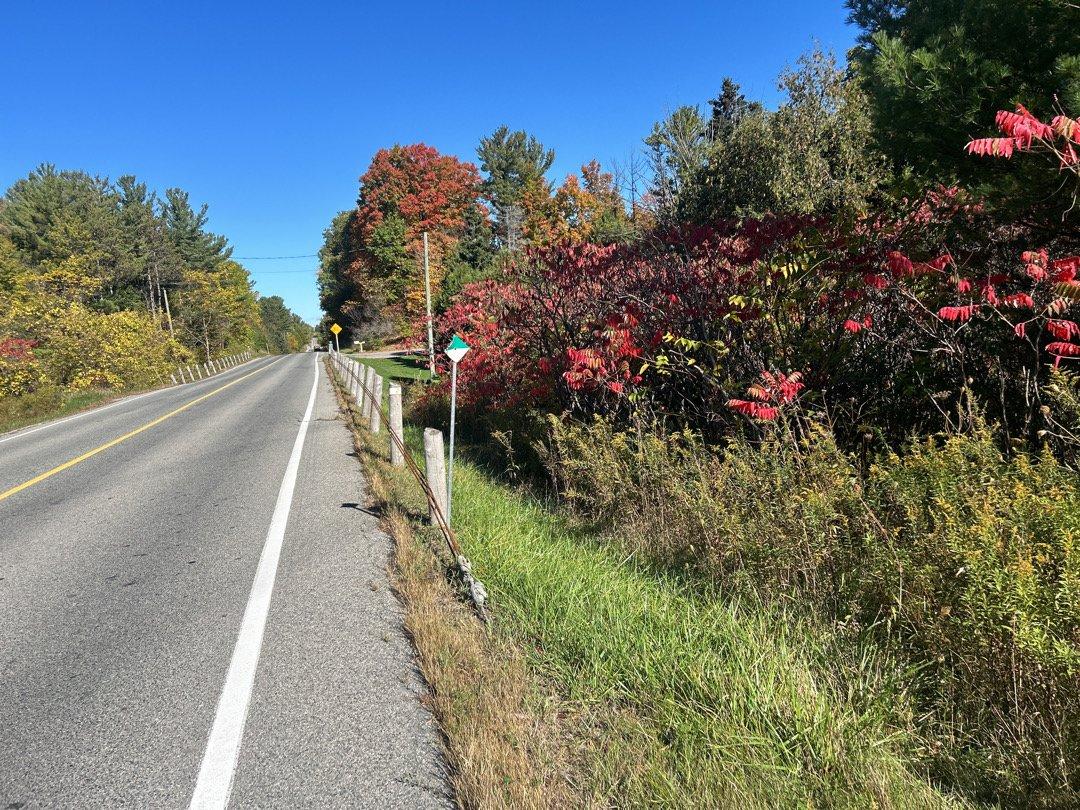
York Region · 2025 to 2026
York Region 2026 Roadside Safety Program
Roadside safety assessments and guide rail design for over 100 systems across York Region's 2026 road rehabilitation program, built in 2026 with OES support through construction.
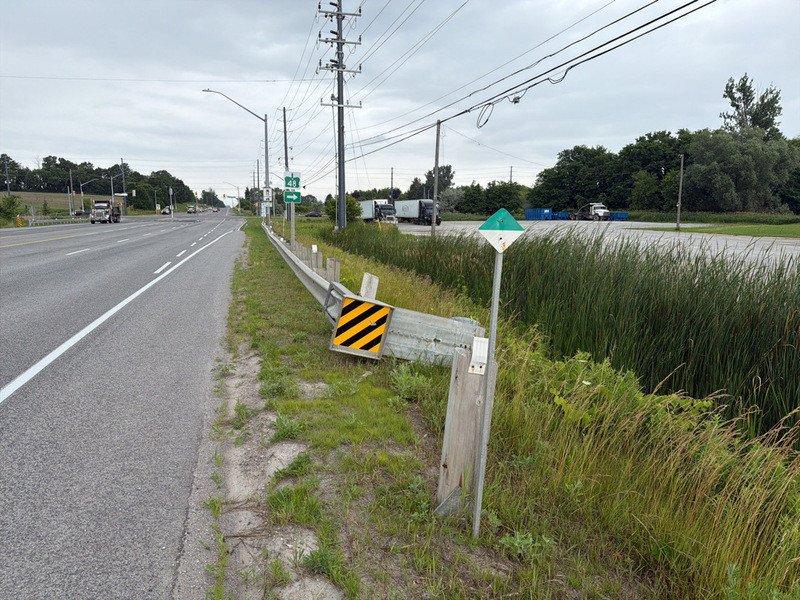
York Region · 2026, construction support through 2027
York Region 2027 Roadside Safety Program
The second consecutive program for York Region: more than 110 detailed guide rail designs across 30 road sections for the Region's 2027 program.
More in Roadside Safety Assessments
Request a quote for Guide Rail Warrant Analysis.
Tell us what you need, or share your availability for a call. A licensed Professional Engineer will respond within one business day.